Why Victory Ranch Sounds Different This Week
Peak Luxury Real Estate Editorial Team September 24, 2026
Step outside on the Fremont Trail before 8 a.m. right now and you'll hear it before you see it: a long, rising scream that breaks into a whistle and drops into a grunt. It comes from somewhere in the aspen, then again from somewhere else, two bulls answering each other across a drainage. This is not background noise. For about two weeks a year, Victory Ranch's usual quiet gets replaced by something closer to a standoff, and this week is that window.
Most fall write-ups treat this as ambiance, a nice detail to mention alongside pumpkin spice and flannel. It's not ambiance. It's a dateable event with a start, a peak, and an end, and understanding the schedule changes how you use the next ten days.
Utah's elk breeding period begins in early September and runs through early October, with the peak of the rut landing in mid-to-late September, according to the state's own elk management plan. That puts the loudest bugling of the entire year squarely on this week's calendar.
Here's the part that doesn't make it into most fall guides. Utah's Division of Wildlife Resources released its 2026 season dates in mid-August: general archery elk season opened August 15, and general rifle season for any-bull elk doesn't open until October 3. Hunters who track this every year will tell you the same thing: bulls get warier and quieter once rifle season starts, because they've learned to associate movement and noise with pressure. Right now, before October 3, there's no rifle season yet pushing them into silence. What you're hearing on the ranch this week is closer to full-volume, unguarded rut behavior than what will be audible even two weeks from now.
That's a narrow, specific fact worth knowing if you want to actually catch this rather than just notice it in passing. The bugling won't sound the same in three weeks. It's loudest now.
Victory Ranch's backcountry trail system, built out by Alpine Trails, one of the region's longest-running trail builders, is what carries the sound close enough to hear from a bike or a porch. The network has grown over the past few years from roughly 20 miles to closer to 30, which matters here because more trail mileage means more of the ranch now sits within range of the meadows and aspen stands where bulls gather cows into harems during the rut.
Two trails do most of the work. Kamloop Trail is a mild, roughly 3 percent grade, easy enough for a casual ride at dawn when the air is still and sound carries farthest. Fremont Trail climbs harder, 5 to 7 percent, and rewards the effort with 360-degree views across the Uinta and Wasatch ranges, the Kamas Valley, and the entire ranch below. Both are stocked with complimentary mountain bikes and fat bikes for residents, kids included, so there's no reason to own a bike to get out there before the elk settle down for the day.
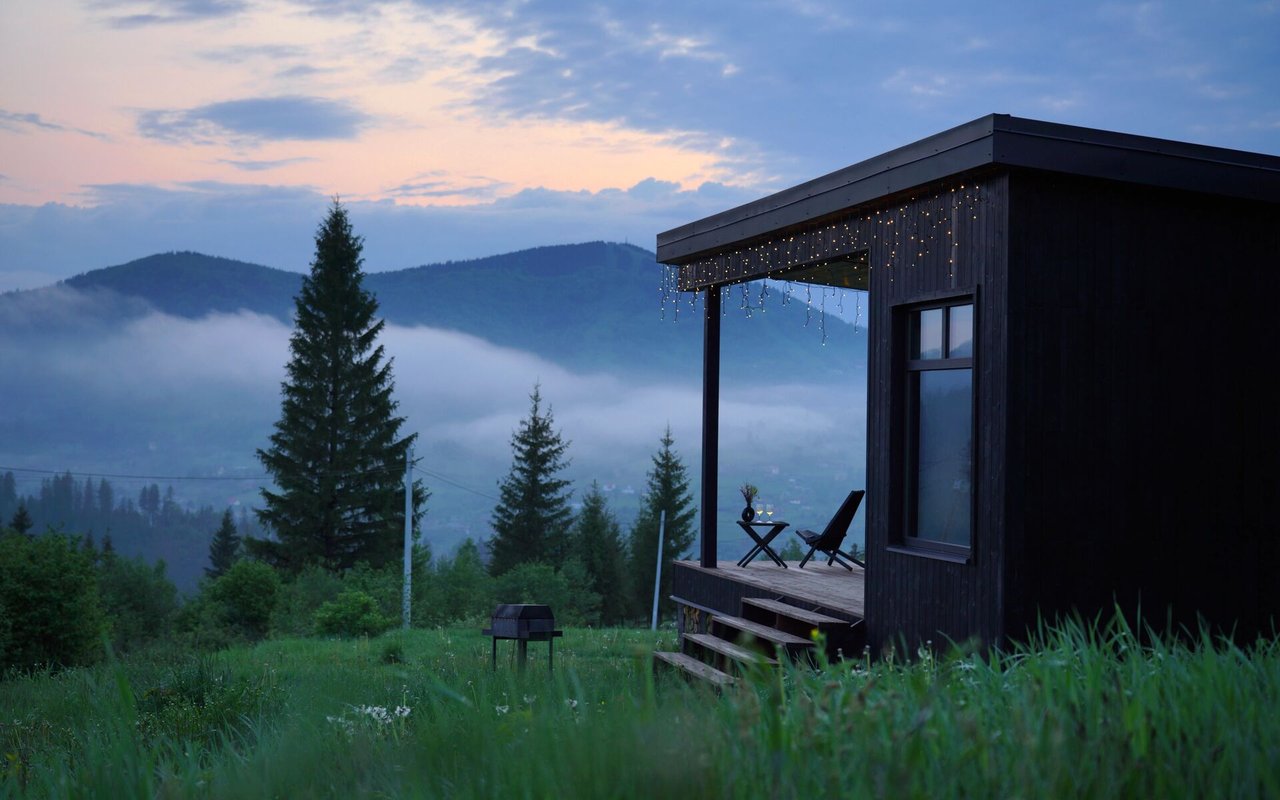
If you'd rather not pedal, a 4x4 Polaris Ranger tour into the backcountry covers more ground with less effort, and it's common to spot moose, elk, deer, and the occasional Golden Eagle along the way. For an overnight version of the same thing, the Bugle Inn and Lil' Bugler yurts sit about four miles into the backcountry and were named, deliberately, for the elk call you hear from their porches every fall. Falling asleep to that sound from four miles in is a different experience than hearing it filtered through a closed window at home.
Three ways to actually catch this before it passes:
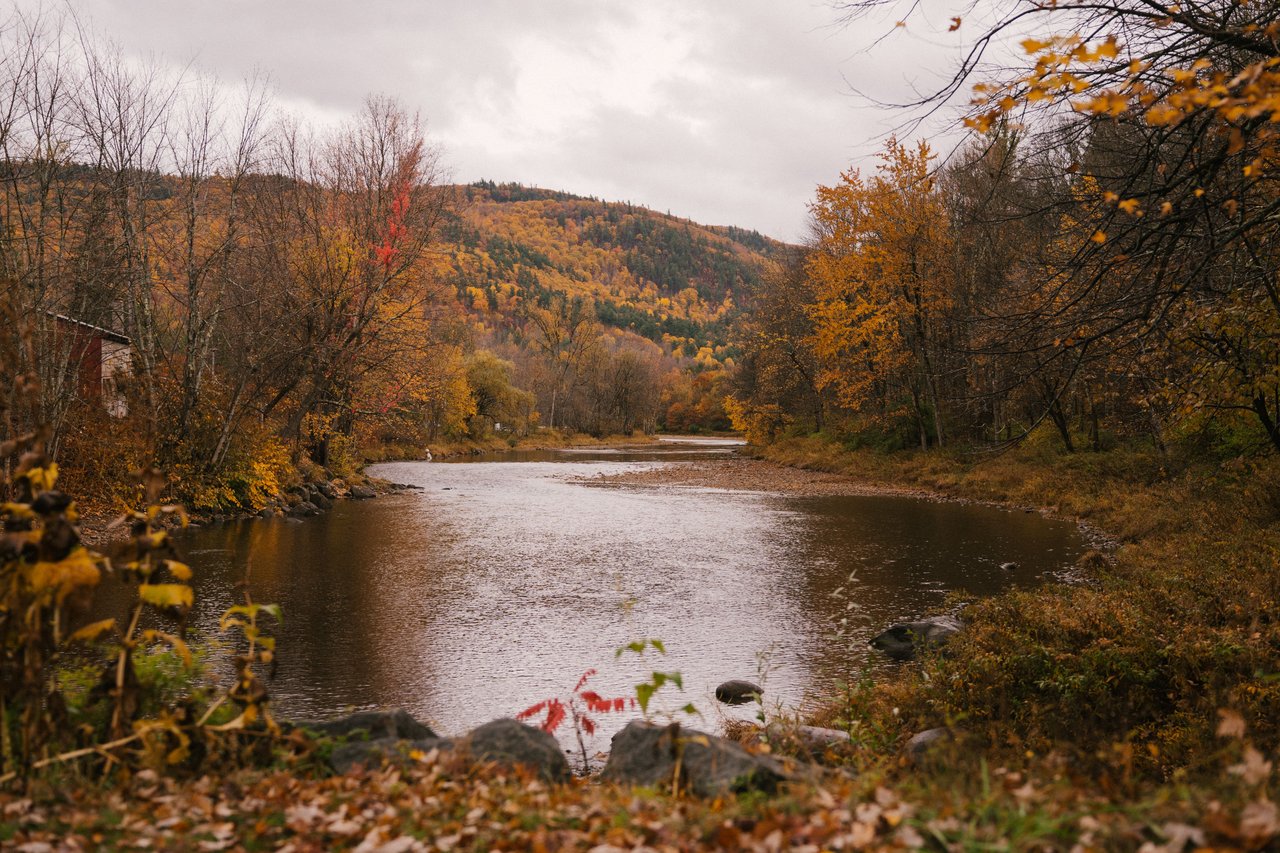
The rut isn't the only thing peaking early. Highway 150, the Mirror Lake Highway that climbs out of Kamas into the high Uintas, turns first in the entire state, typically peaking in mid-September while lower elevations are still green. Park City proper and the hills around Bonanza Flat won't hit their own peak until mid-September through early October, meaning Victory Ranch residents get a preview of color that the rest of the valley is still waiting on.
One caveat worth flagging for this particular year: forecasters are watching record-low snowpack and a hot summer across Utah in 2026, which can push color earlier and mute some of the intensity in spots. Treat any specific date as a window, not a guarantee, and check conditions before planning a specific ride or drive.
The overlap is short by design. Aspens at elevation don't wait for the calendar any more than elk do, and both are responding to the same trigger, cooling nights and shortening days at 8,000-plus feet. That's why the loudest bugling and the earliest gold arrive together instead of one following the other by weeks.
It's easy to think of "fall at the ranch" as a long, mellow stretch that lasts from Labor Day through the first snow. The rut and the early color argue otherwise. This is a tight, two-week overlap, roughly mid-September into the first days of October, and both halves of it wind down on a similar schedule. Once general rifle season opens October 3, the bugling that's been carrying across the property all week starts to thin out, and the color that peaked first in the high Uintas begins moving downhill toward the Wasatch Front and Park City proper, which won't hit its own stride until later in the month.
There's a reason this particular stretch of ground still sounds and looks the way it does. More than 3,500 of the ranch's 6,250 acres sit inside the Victory Ranch Conservancy, a nonprofit set up specifically to manage habitat and keep the backcountry wild enough for elk to actually pass through rather than route around. The name itself goes back further than the trail system or the yurts. Three World War II veterans who'd made it home bought land off State Road 32 outside Kamas and named it for the only victory that mattered to them at the time. More than eighty years later, the elk still move through that same ground every September, on a schedule the founders never had to think about but that residents now get to notice, if they know when to listen.
This week is the listening.
If you're already part of this community, you don't need us to tell you the ranch is worth paying attention to. But if a friend or family member is weighing whether a place like Victory Ranch fits how they want to spend a fall, Peak Luxury Real Estate knows this ground well enough to give a straight answer. Reach out anytime.
This article is general information, not legal, tax or financial advice. Consult a qualified professional about your situation.
Stay up to date on the latest real estate trends.
Navigate Park City’s luxury real estate market with confidence, from Deer Valley ski-in/ski-out estates to Jordanelle retreats—backed by tailored strategy, elevated service, and local expertise.