Buying In The Colony At White Pine Canyon
July 2, 2026
July 2, 2026
Wondering whether The Colony at White Pine Canyon is the right fit for your Park City purchase? It is one of the area’s most distinct resort communities, but buying here takes more than falling in love with a ski room or a mountain view. If you are considering a home or homesite in The Colony, this guide will help you understand what really matters, from ski access and design rules to ownership costs and due diligence. Let’s dive in.
The Colony at White Pine Canyon is a gated, forested mountain community within the Park City Mountain and Canyons Village setting. According to the HOA, it spans about 4,600 acres and includes a 24-hour gatehouse, which reinforces its private, managed feel.
This is not a typical subdivision. The community is best understood as a resort-lifestyle estate neighborhood tied closely to one of the most recognized mountain destinations in the country. Park City Mountain identifies itself as the largest ski resort in the U.S., with 7,300 acres of terrain, 41 lifts, more than 330 trails, and a summit of 10,026 feet.
For you as a buyer, that means value here is about more than square footage. Access to the resort system, the setting within the trees, and the estate-scale layout all shape how homes in The Colony are viewed and priced.
Public sources do not point to one exact homesite count, so it is smart to avoid broad assumptions. The HOA homepage references up to 299 home sites, while other official materials reference about 274 homesites or units of density.
The practical takeaway is simple. The Colony is a large, mostly built community with a high-200s homesite count, but exact lot and density details should be confirmed through the recorded plat and the specific property you are considering.
That lot-by-lot mindset matters here more than in many other Park City neighborhoods. Even though broader Park City pricing offers useful context, Colony properties sit in a much more limited, upper-tier estate segment, so hyper-local comparable sales matter most.
One of the biggest buying mistakes in The Colony is assuming every property delivers the same ski-in/ski-out experience. It does not. Ski access is highly specific to the lot, the recorded easements, and the actual route between the home and the mountain.
A Summit County staff report tied to a plat amendment for Lot 71 shows why this matters. In that case, an existing Park City Mountain ski run encroached on the lot, and ski easements were added to reflect actual ski use.
That example tells you something important. Marketing language alone is not enough.
Before you buy, ask for clear documentation and a practical explanation of how access works from that exact property. Focus on questions like these:
For a luxury buyer, these details can have a meaningful impact on both lifestyle and resale value. Two homes in the same community can offer very different ski experiences.
In The Colony, the land itself often carries as much importance as the house. This is especially true if you are buying a homesite, evaluating future expansion, or comparing one estate against another.
County tax records reflect the large-lot character of the community. One recorded Colony parcel shows 4.97 acres, which is consistent with the neighborhood’s low-density, estate-scale feel, although lot sizes vary.
Because of that variation, you should evaluate each property as its own case. A larger homesite, better building envelope, or more flexible layout may create opportunities that another lot cannot match, even at a similar asking price.
The Colony’s design and development guidelines are a major part of the buying process. These are not casual suggestions. They are recorded restrictions reviewed and approved through Summit County.
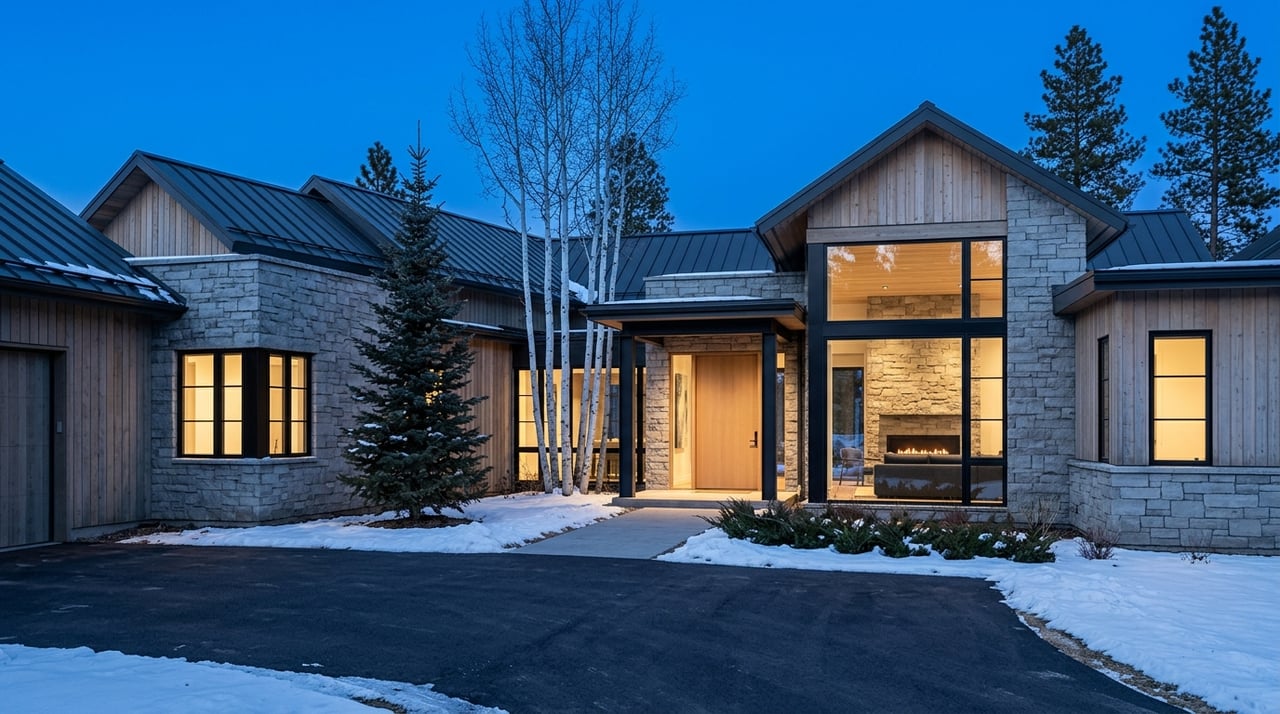
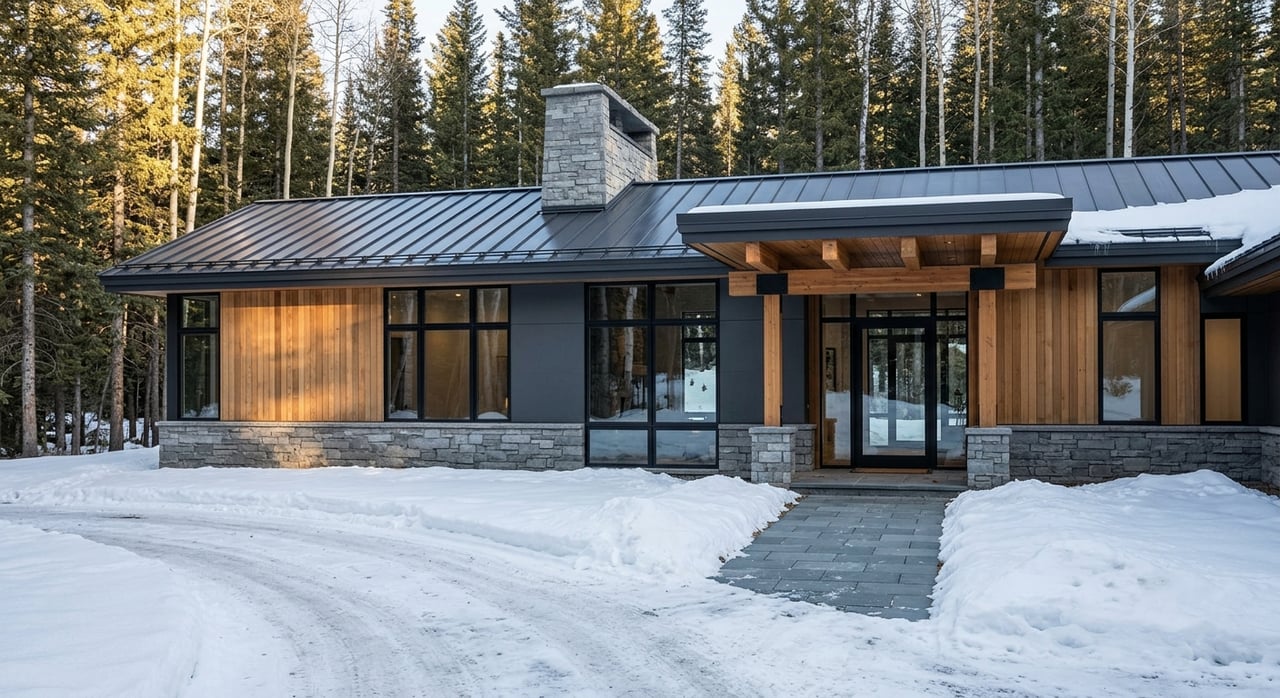
The guidelines emphasize a quiet relationship with the land. Homes are intended to preserve mature forest stands and rock outcroppings, step with the topography, and use materials and rooflines that blend into the landscape.
That is a big reason The Colony feels different from a standard ski neighborhood. The community has a more preserved, custom-estate character, and the built environment is carefully controlled.
If you are looking at land or planning future changes to an existing home, review the site program carefully. Important points from the recorded guidelines include:
This is why future plans should be tested early. If you assume a lot can support a larger guest house, added outbuilding, or expanded main residence without checking the envelope and coverage rules, you may be disappointed later.
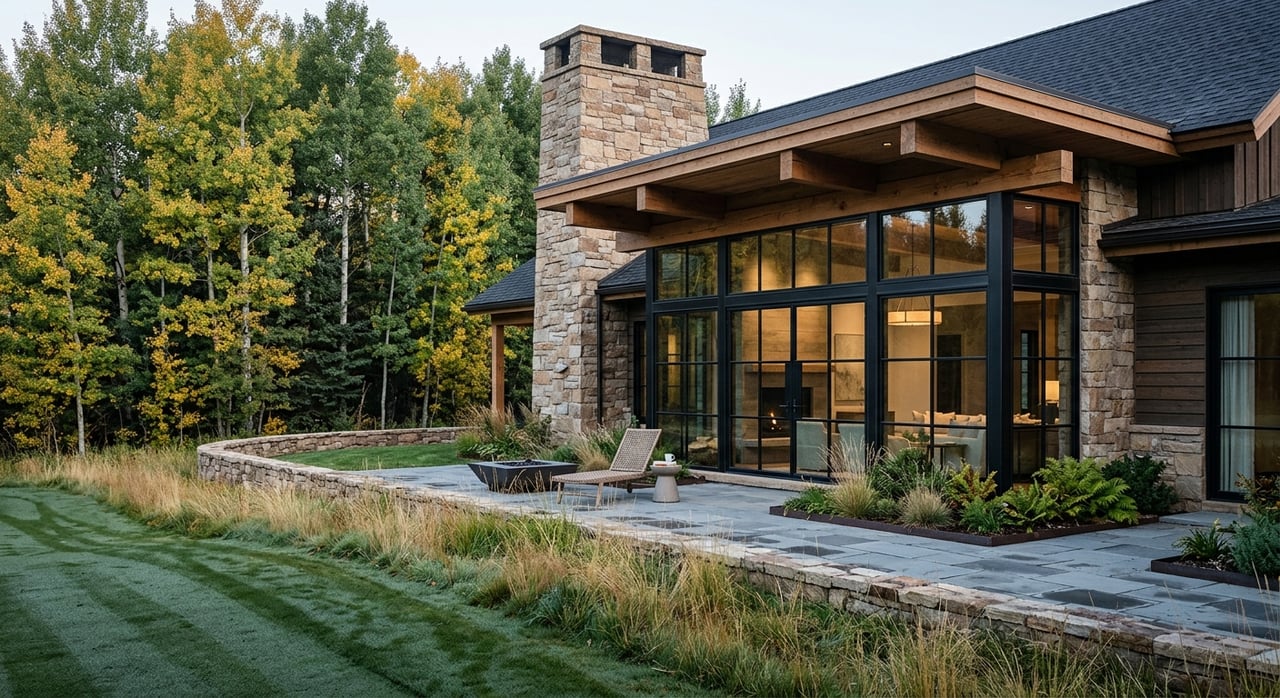
The architectural rules also influence the look and feel of each home. The guidelines favor natural or stained wood, stone, and logs, while materials like board-form concrete, metal siding, or brick may be allowed only in more limited supporting roles.
Synthetic or imitation products are discouraged. Roofs and massing are meant to sit low and step with the terrain, and white is generally not permitted except as an accent color.
If design quality and landscape integration matter to you, this level of control may be part of the appeal. It helps maintain a consistent visual tone across the community and supports long-term aesthetic value.
When you buy in The Colony, your cost picture should include more than the contract price. According to the HOA, 2026 homeowner dues are $29,000.
Those dues support more than basic administration. The HOA describes its role as including operations management, forest oversight and protection, seasonal social events, regular communications, and 24-hour gatehouse operations for emergencies and approved guest communication.
That structure contributes to the community’s private and curated feel. For many buyers, it is part of the value proposition, but it should still be understood clearly before closing.
In a wooded mountain setting, wildfire resilience is not a side issue. It is a core ownership consideration.
The Colony’s 2023 evacuation plan states that the community qualified as a Firewise community in 2021, 2022, and 2023. HOA fire-mitigation materials also describe recurring fuel-management evaluations and homeowner responsibilities related to hazardous fuels.
For you, that means wildfire planning should be part of the purchase conversation from the start. Ask about defensible space expectations, mitigation responsibilities, and how the specific lot’s setting may affect ongoing maintenance.
Insurance is another key line item in this market segment. The Park City Board of REALTORS® noted in its Q1 2026 market summary that fire-risk reclassifications continued to push homeowner insurance premiums higher in parts of Summit and Wasatch Counties.
In The Colony, that can be especially relevant on heavily wooded or more exposed homesites. It is wise to seek current insurance quotes early in the process and understand any wildfire-related underwriting conditions before you remove contingencies.
Some buyers assume a resort property offers broad short-term rental flexibility. In The Colony, that assumption can create problems.
The HOA’s short-term rental policy states that rentals more often than once every 28 days are not allowed. The policy also says non-family receptions and commercial events are not allowed, and the HOA maintains a separate fine schedule for violations.
If rental income is part of your plan, verify the current HOA rules before relying on any projections. The Colony may be a strong fit for personal use and long-term legacy ownership, but it should not be approached like a highly flexible short-term rental property.
The best purchases in The Colony usually come from disciplined, property-specific diligence. This is a community where broad assumptions can lead to expensive surprises.
A smart buying process should focus on the actual lot, not just the photos, finishes, or headline features. In many cases, the details behind access, building rights, and operational obligations are what separate an average fit from an exceptional one.
Use this checklist as you evaluate a property:
In a community this specific, precision matters. The goal is not just to buy in The Colony, but to buy the right property in The Colony for how you plan to use it.
If you want a measured, property-by-property approach to buying in one of Park City’s most complex luxury communities, Peak Luxury Real Estate can help you evaluate access, land value, design potential, and long-term fit with clarity and discretion.
Stay up to date on the latest real estate trends.
Navigate Park City’s luxury real estate market with confidence, from Deer Valley ski-in/ski-out estates to Jordanelle retreats—backed by tailored strategy, elevated service, and local expertise.