Fall Fishing at Victory Ranch: What Makes the Provo River Different
Peak Luxury Real Estate Editorial Team September 10, 2026
Peak Luxury Real Estate Editorial Team September 10, 2026
Walk the River Trail from the Freestone Lodge toward Juniper Draw this week and the water sounds different than it did in July. Lower, for one. Slower over the gravel bars near the River Picnic area. If you've searched "Provo River fishing report" to plan a September evening on your own stretch, you've probably read that this is prime time: cooling flows, thinning crowds, better dry fly action before winter locks things down. That's true. It's also not quite describing your river.
Almost every fishing report that ranks for "Provo River" this month, the ones from fly shops in Park City and Heber, the guide services posting flow numbers in CFS, is written about the middle and lower sections of the river. That's where the public access points are, where the drift boats put in, where the dam at Jordanelle Reservoir and the one at Deer Creek Reservoir release water on a schedule tuned to irrigation demand and downstream fish health. Those sections are tailwater. The flow is a decision someone makes upstream, not a condition of the season.
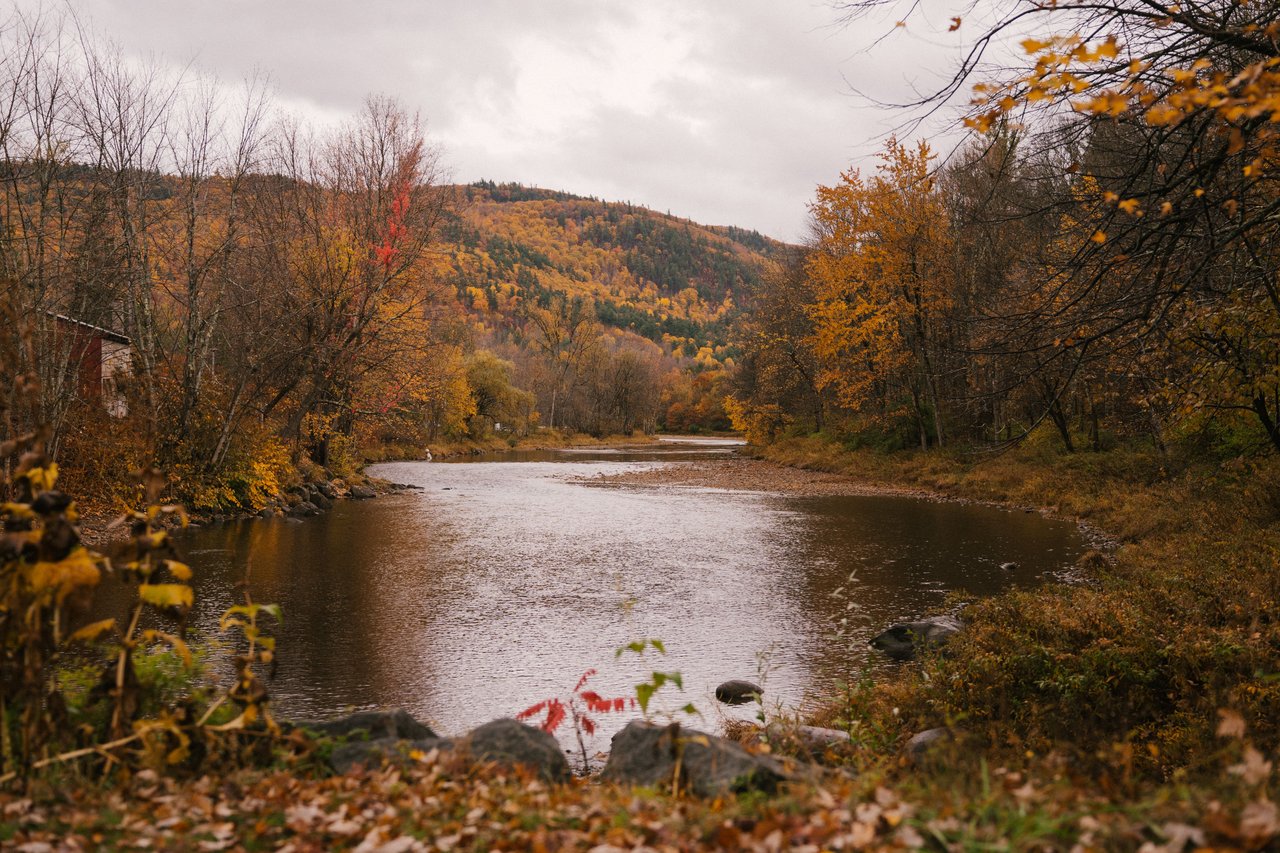
Victory Ranch's four miles of private water sit above all of that. This stretch of the Upper Provo is fed by snowmelt and the springs that run through the property, and nothing regulates it. No gate, no release schedule, no engineered summer flow to keep boaters happy through July. It rises and falls on its own, the way a river did before anyone built anything on it. That distinction helps explain why reports focused on the managed stretches may not capture what's happening on your freestone water this month.
The practical difference shows up in the numbers, even without a gauge on the property. Fishing sites that track the Provo consistently note that the Upper Provo, unlike the managed middle section, runs heavier in spring and summer and lighter through fall and winter, simply because there's no reservoir behind it holding water back or letting it go on command. What you're seeing on your walk this week isn't a lucky low-water window before the crowds disappear. It's the river doing what freestone rivers do in September: quietly running out of snowmelt.
That has a second effect worth knowing if you fish. The Upper Provo is generally regarded by anglers who know it well as at its best from July through September, with fishability continuing into fall for those willing to read the water differently than they would downstream. The bugs are smaller than what shows up in the tailwater reports this time of year. Pale morning duns are still around in the mornings. Blue-winged olives are starting their fall return, usually smaller than the spring hatch, and October caddis will show up as the month turns, giving one more good stretch of dry fly water before real cold arrives. None of that requires checking a release schedule. It requires watching the sky and the temperature, the way it always has on this stretch.
If you've walked the river bank this week and noticed clean, oval patches of gravel where the rest of the bottom looks darker or mossier, that's not erosion. It's the start of the spawn, and on a stretch like this one, it's easy to see because the water is shallow and clear enough to show the work.
Brown trout in Utah streams typically begin their migration toward spawning water as early as mid-September, with active spawning and redd building running through late October before tapering off by early December. Brook trout follow a similar fall calendar, often peaking in October. Victory Ranch's own water carries wild browns, rainbows, brookies and cutthroat, so over the next several weeks you'll likely see all of that behavior at once: fish pairing up in the shallows, tails working the gravel clean, males holding position nearby.
None of this requires you to stop fishing or walking the bank. It does mean paying attention to a few things that any longtime angler on this river will tell you matter:
This local knowledge adds useful context to general advice about fishing the Provo. For a resident here, it also helps to know which patches of your own gravel to leave alone through early December.
The river isn't the only thing responding to shorter days and colder nights. The two backcountry yurts four miles into the property, Bugle Inn and its smaller neighbor Lil' Bugler, were named for exactly this stretch of the calendar: the sound of elk bugling that carries through the property as the season turns. If you haven't booked a night out there yet this fall, this is the window when the name actually makes sense, when you're as likely to hear the bugle from your own porch as to spot the animal itself.
The trail network tells the same story from a different angle. More than twenty miles of singletrack, built by Alpine Trails, the same firm that has shaped trail systems around Park City for more than two decades, gets noticeably better to move through once the summer dust settles and the afternoons stop punishing. Residents who've been riding early to beat the heat all summer will find the whole day opens back up. Keep an eye overhead while you're out there. Golden eagles are a regular fall sighting along the property's higher ground, more visible now that the canopy is thinning and the birds themselves are more active ahead of winter.
None of this is unrelated to the river. It's the same seasonal mechanism working across the whole 6,250 acres at once: a freestone system, unmanaged by any dam or reservoir, responding to actual weather rather than a release schedule. The river drops because the snowmelt that feeds it is drying up. The elk start calling because the rut is starting. The trails clear because the heat that kept people off them in July is gone. It's one calendar, not several coincidences.
The next time you see a fall fishing report calling this the best window of the year on the Provo, it's worth remembering which Provo that report is actually describing. The dam-fed sections downstream run on an engineered rhythm built around irrigation demand and boat traffic. Your four miles run on weather, the way they have since before Jordanelle Reservoir existed. That's not a smaller river. It's a different one, and it rewards a resident who knows the difference between reading a flow chart and reading the actual gravel underfoot.
If you're weighing a move to Victory Ranch, or already own here and want a broader read on how the Ranch and the rest of the Wasatch Back are shifting this fall, Peak Luxury Real Estate has spent years watching these micro-seasons up close. Reach out when you're ready for a conversation grounded in the same local detail as everything above.
Stay up to date on the latest real estate trends.
Navigate Park City’s luxury real estate market with confidence, from Deer Valley ski-in/ski-out estates to Jordanelle retreats—backed by tailored strategy, elevated service, and local expertise.